
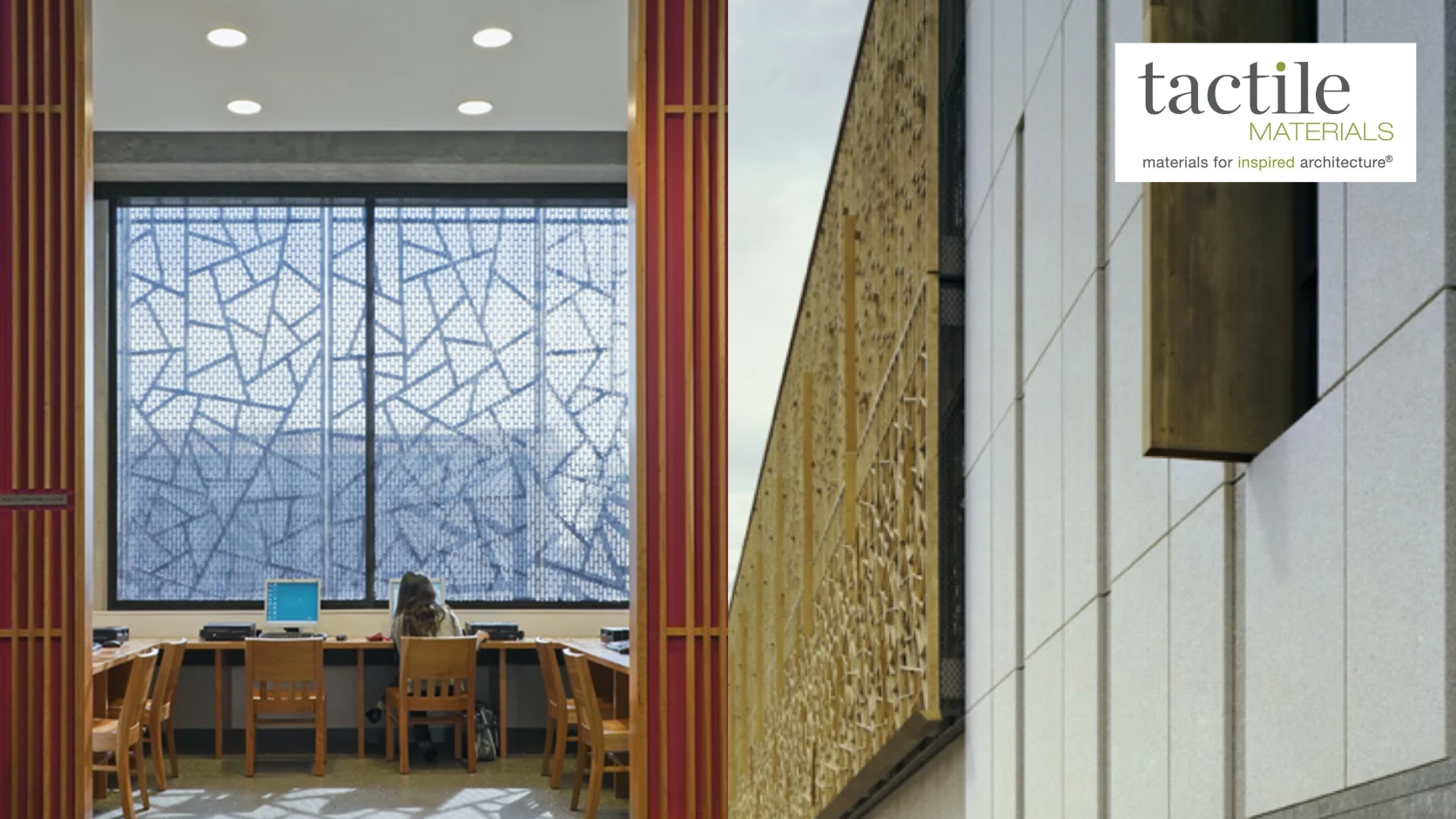
A luxury building is remembered for more than its size or location. Often, it is the materials that people notice first: the texture of a facade, the warmth of a metal finish or the way an interior wall catches light.
This is why choosing the right wall cladding material has become such an important part of architectural design. For international projects, the decision becomes even more complex. Architects need materials that match the design vision while also working with different climates, fabrication requirements, installation conditions and project standards.
Premium Wall Cladding Materials can help create this balance. From premium exterior wall cladding materials and premium facade cladding materials to luxury interior wall cladding, today’s options go far beyond conventional wall finishes.
When a project spans countries, working with a Luxury Cladding Materials Supplier for Global Projects can also simplify material development, engineering, samples, production and logistics.
Tactile Materials approaches architectural surfaces as engineered design elements, offering metal, glass, composites and earthen material families for interior and exterior applications. Its portfolio includes cast bronze, aluminium, FRP, polished GFRC, porcelain enamel metal, leather, cork and cast glass.
Featured Snippet: How Do Luxury Cladding Materials Elevate Global Architectural Projects?
Luxury cladding materials elevate global architectural projects by combining distinctive aesthetics, custom detailing and engineered performance. They allow architects to develop tailored facades, feature walls and interiors using metal, stone, glass, FRP, GFRC and other finishes while supporting project-specific design, fabrication, installation and material requirements.
What Are Luxury Cladding Materials for Global Architectural Projects?
Luxury Cladding Materials are premium architectural surfaces used to enhance interior walls, exterior facades and specialist architectural elements.
Unlike basic paint, render or standard panels, premium cladding can be developed around the architecture. Panel dimensions, textures, colours, patterns, curves, finishes and joints can all become part of the design.
For example, architectural metal wall cladding can create a precise contemporary facade, while natural stone and marble cladding for luxury homes can provide a more timeless appearance.
Inside, decorative wall panels for luxury interiors and designer FRP and leather wall panels can create tactile feature walls.
For a luxury residence, this may mean Luxury Wall Panels for Villas & Penthouses. For hospitality, it may involve premium cladding for 5-star hotels and resorts across entrances, lobbies and public areas.
The key is not simply choosing an expensive material. It is choosing a surface that makes sense for the architecture.
Why Do Global Projects Need Premium Cladding Materials?
International architectural projects often have more demanding design and coordination requirements. The material needs to work from concept through installation.
Key reasons include:
- Distinctive identity: Custom surfaces help buildings avoid a generic appearance.
- Design flexibility: Panels can be developed in different forms, sizes, textures and finishes.
- Material continuity: Exterior and interior surfaces can share a common design language.
- Project coordination: Bespoke materials can be developed around architectural details.
- Performance considerations: Exterior materials must be selected according to climate, exposure and project requirements.
- Global consistency: International projects may need consistent material quality across different locations.
- Long-term value: A well-selected finish can support the intended appearance and maintenance strategy.
This is particularly important when specifying premium exterior wall cladding materials in Mumbai, India, luxury facade cladding for villas and penthouses in Mumbai, India or other high-value projects where the facade is a major part of the building’s identity.
Luxury cladding is not only about appearance. The strongest solutions bring design, material performance, fabrication, engineering and installation together from the beginning.
How Does the Process Work?
1. Understand the Architectural Vision
The process begins with the design concept.
Is the project meant to feel warm and natural, sharp and contemporary or highly sculptural? The answer influences the material selection.
2. Choose the Right Material
Architects can compare metal, stone, GFRC, FRP, glass, leather and other surfaces.
For example, architectural metal exterior cladding in Mumbai, India may suit a contemporary commercial facade, while natural stone and terracotta facade cladding in Mumbai, India can create a more organic character.
3. Develop the Finish
Colour, texture, sheen, patina, pattern and panel scale are refined.
This stage is particularly important for bespoke wall cladding for architects and interior designers, where the material may need to follow a very specific design concept.
4. Review Samples and Mock-Ups
Large samples can help designers understand how the material behaves under different lighting conditions.
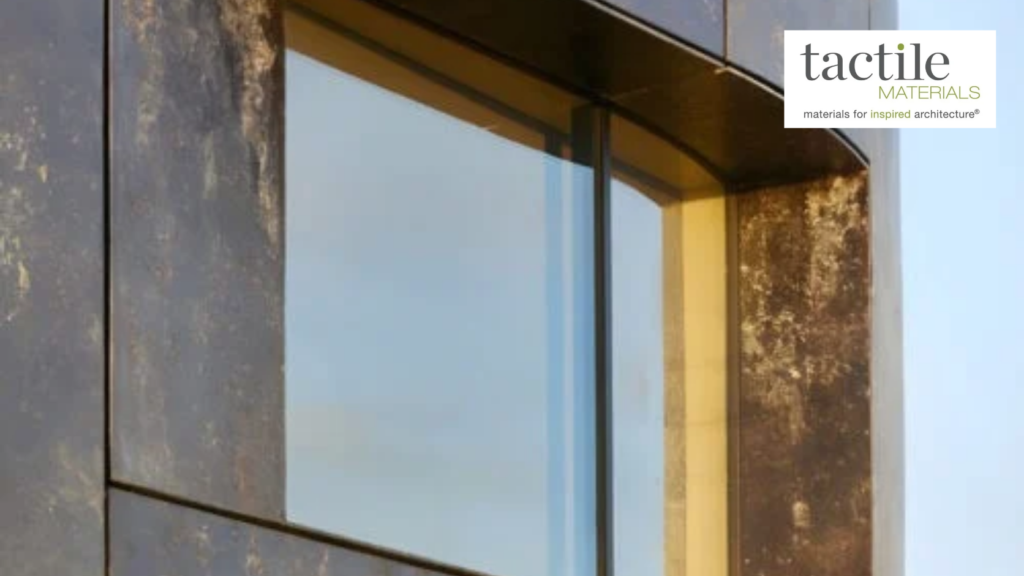
Tactile Materials’ Design Assist™ process includes material development, hand samples, mock-ups and project-specific engineering during the design stages.
5. Engineer the Application
The team then considers panel dimensions, joints, supports, fixing systems and other project conditions.
For exterior projects, this can include weather-resistant exterior cladding systems in Mumbai, India and other location-specific requirements.
6. Fabricate and Install
Once the design is approved, fabrication and quality checks begin. Installation planning is equally important because even a premium material can lose its visual impact if joints, alignment or transitions are poorly executed.
What Are the Benefits of Luxury Cladding Materials?
- Creates designer building facade cladding in Mumbai, India
- Supports premium cladding for luxury homes and hotels in Mumbai, India
- Enables bespoke exterior cladding for architects in Mumbai, India
- Creates Luxury Exterior Wall Cladding in Mumbai, India
- Supports Designer Facade Cladding for Villas in Mumbai, India
- Provides High-End Exterior Cladding Systems in Mumbai, India
- Offers options from a Luxury Facade Cladding Supplier in Mumbai, India
- Creates premium interior wall cladding materials in mumbai, india
- Supports luxury interior wall panels for homes in mumbai, india
- Enables decorative interior wall cladding in mumbai, india
- Creates Premium Interior Wall Cladding in mumbai, india
- Offers Luxury Interior Wall Panels in mumbai, india
- Supports Designer Interior Cladding for Luxury Homes in mumbai, india
- Adds depth through High-End Interior Wall Finishes in mumbai, india
- Creates Leather & Metal Interior Wall Panels in mumbai, india
- Supports leather wall panels for luxury interiors in mumbai, india
- Combines metal and wood interior wall finishes in mumbai, india
- Creates designer accent wall panels in mumbai, india
- Works for interior cladding for luxury hotels and lobbies in mumbai, india
- Enables bespoke interior wall cladding for interior designers in mumbai, india
How Do Luxury Cladding Materials Compare With Alternatives?
| Material | Design Flexibility | Visual Character | Customisation | Typical Application |
|---|---|---|---|---|
| Paint | Low | Simple | Colour focused | General walls |
| Standard panels | Medium | Contemporary | Moderate | Commercial interiors and facades |
| Natural stone | Medium | Rich and timeless | Moderate | Villas, hotels and premium facades |
| Architectural metal | High | Modern and refined | High | Facades and interiors |
| Premium engineered cladding | Very high | Bespoke and architectural | Very high | Luxury, hospitality and flagship projects |
There is no single material that works for every project.
For example, natural stone and marble cladding for luxury homes may be ideal where natural variation is part of the concept. A custom metal or GFRC system may be more appropriate when the design depends on complex geometry or repeatable precision.
Who Needs Luxury Cladding Materials?
These materials are particularly relevant to:
- Architects developing signature buildings
- Interior designers working on luxury residences
- Developers creating premium properties
- Luxury villa and penthouse projects
- Five-star hotels and resorts
- Flagship retail stores
- Corporate headquarters
- Cultural and institutional buildings
- Hospitality interiors
- International architectural projects
For residential projects, high-end cladding for luxury villas and penthouses can create a strong entrance or feature facade.
For interiors, Designer Wall Cladding for Luxury Interiors can help define reception areas, living spaces, lounges and bedrooms.
What Factors Affect Luxury Cladding Costs?
There is no universal price for premium cladding. Cost depends on the project and the material system selected.
Key factors include:
- Material type and grade
- Panel dimensions and thickness
- Surface texture and finish
- Custom patterns or geometry
- Number of unique panel types
- Substructure and fixing requirements
- Engineering and testing
- Samples and mock-ups
- Fabrication
- Packaging
- Shipping
- Installation
- Site access
- Project schedule
Complex architectural metal wall cladding with custom textures or finishes will have different cost considerations from standard flat panels.
For international projects, premium cladding materials with worldwide delivery can also involve additional packaging, logistics and coordination requirements.
The initial material price should therefore not be the only consideration. Design development, fabrication quality, installation and long-term maintenance can all affect the overall project value.
What Are the Industry Trends in 2026?
Luxury architecture in 2026 is moving toward more expressive and personalised material choices.
More Tactile Surfaces
Architects are exploring surfaces that create visible and physical depth rather than relying on flat finishes.
Mixed Materials
Metal, glass, stone, leather, FRP and GFRC are increasingly being considered together to create controlled contrast.
Custom Geometry
Curved panels, sculptural surfaces and project-specific forms are becoming important in high-end architecture.
Interior-Exterior Continuity
Designers are carrying facade materials into entrances, lobbies and interior feature walls to create a more connected experience.
Greater Attention to Material Impact
Material selection is also becoming part of wider sustainability discussions. World Green Building Council reports that buildings and construction account for 39% of global energy-related carbon emissions, with 11% associated with materials and construction. This makes material sourcing, durability and lifecycle thinking increasingly relevant to architectural decisions.
For projects in India, IGBC notes that green-building approaches can achieve significant energy savings depending on the building and measures applied.
Why Choose Tactile Materials in India?
Tactile Materials combines material development, engineering, fabrication and project support for architectural applications.
Its material portfolio spans metal, glass, composites and earthen categories, with products including cast bronze, aluminium, zinc, stainless steel, FRP, polished GFRC, leather, cork and cast glass. The company also operates fabrication and assembly facilities in Europe, Asia and North America and maintains global and regional product design and engineering centres.
Its international project portfolio provides real examples of this approach.
At the Apple Flagship Dubai Mall, Tactile Materials worked on polished GFRC surfaces including curved panels, column covers, soffits, wall cladding and doors. Some panels reached 2500 mm × 6000 mm, with the company using precision casting and polishing to maintain surface consistency.
For Givenchy’s Seoul flagship, the scope included 400 square metres of stainless steel cladding along with oversized pivot doors and glazing systems.
These projects show why working with a luxury cladding materials supplier for global projects involves more than sourcing a finished panel. It requires design coordination, engineering, fabrication, quality control and installation support.
For architects in India, this approach can also support premium exterior wall cladding materials, luxury interior wall cladding and premium facade cladding materials across high-end residential, hospitality, retail and commercial projects.
FAQs
What are Premium Wall Cladding Materials?
Premium Wall Cladding Materials are high-quality architectural surfaces used for interior walls and exterior facades. They can include metal, stone, glass, FRP, GFRC, leather and other engineered materials.
How do I choose a Luxury Cladding Materials Supplier for Global Projects?
Look for a supplier that can support more than material sourcing. Design development, engineering, samples, mock-ups, fabrication, quality control, packaging, logistics and installation support can all be important for international projects.
What are the best materials for luxury exterior cladding?
The right choice depends on the building, climate, geometry, performance requirements and design intent. Options can include architectural metals, GFRC, FRP, porcelain enamel metal, natural stone and other engineered surfaces.
Can luxury cladding materials be customised?
Yes. Depending on the material, projects can explore custom dimensions, colours, textures, patterns, curves, perforations, finishes and detailing. This makes High-End Architectural Cladding suitable for highly specific design concepts.
Can luxury cladding be used for both interiors and exteriors?
Yes. Materials can be developed for both applications. Luxury interior wall cladding can be coordinated with facade finishes, while Luxury Cladding Materials can also be used for feature walls, entrances, retail spaces and hospitality environments.
Bring Your Global Architectural Vision to Life
The best architectural materials do more than finish a building. They help define how the building is experienced.
Whether you are designing a luxury villa, flagship store, five-star hotel, corporate headquarters or landmark facade, the right Luxury Cladding Materials Supplier for Global Projects can help connect design intent with engineering, fabrication and delivery.
Explore Premium Wall Cladding Materials, High-End Architectural Cladding and bespoke material solutions with Tactile Materials for your next project in India or worldwide.